
The CRO agency in Dubai that turns traffic into revenue
We analyse how users move through your website, find the friction stopping them from converting, and improve the journeys, messaging, CTAs and trust signals that turn more visitors into leads, bookings, sign-ups and sales.
Trusted by brands such as…


Tired of false promises?
We guarantee SEO will become ROI positive in 4 months.
If it doesn’t, we work for free until it does. No vague retainers, no vanity metrics, and no hiding behind rankings that don’t turn into revenue.
Book your SEO consultation
Speak with a senior SEO consultant about your goals, current visibility and whether the 4-month ROI guarantee is a fit.
Book a consultationCRO helps you get more value from the traffic you already have
More traffic is not always the fastest route to growth. If your website is already getting visitors, CRO helps you understand why people hesitate, where they drop off, and what needs to change to turn more of them into customers.
We use user behaviour, heatmaps, session recordings, analytics and conversion data to find friction across your pages, forms, checkout journeys, calls to action and trust signals.
Small UX and conversion improvements can create more value from SEO, PPC, email and direct traffic without relying on more ad spend or more visitors.
The unique CRO techniques we use to boost your revenue
CRO is not guesswork. We combine behaviour data, UX analysis, messaging, testing and revenue tracking to find what is stopping users from converting, then fix the parts of the journey that matter most.
Heatmap and session recording analysis
We review how users actually interact with your website, where they click, how far they scroll, where they hesitate and where they abandon the journey. This shows us the real friction behind low conversion rates.
Drop-off and friction diagnosis
We map the full path from landing page to conversion, then identify where users lose confidence. That can include weak CTAs, unclear value propositions, confusing forms, missing trust signals or poor mobile journeys.
Form and lead journey improvements
Forms are often where good traffic goes to die. We reduce unnecessary fields, improve form structure, strengthen microcopy and make the next step feel easier, safer and more obvious for the user.
Proof-led page optimisation
Users need a reason to trust you before they enquire, book or buy. We improve placement of reviews, case studies, logos, guarantees, FAQs, credentials and proof points so confidence builds before the CTA.
CTA, layout and messaging experiments
We test the elements most likely to influence action, including headlines, page hierarchy, CTAs, offer framing, pricing presentation, form placement and above-the-fold messaging.
Commercial impact measurement
We connect CRO work back to the numbers that matter: enquiries, sales, revenue, conversion rate, assisted conversions and lead quality. The aim is not prettier pages. It is measurable commercial improvement.
Real feedback from businesses that trust Eclypseo.

These guys helped me massively to get leads through to my business.
I would highly recommend them to anyone looking to generate real business through their website.
More verified Google reviews
Excellent on GoogleWhy CRO is a MUST for Dubai-based businesses
Dubai is one of the most competitive markets in the world. Whether you sell services, products, appointments, property, experiences or high-ticket enquiries, your customers have options everywhere. They are comparing your website against local competitors, global brands, marketplaces, directories, social media pages and AI recommendations before they decide who to trust.
If people land on your website and the message is unclear, the page feels slow, the form is too long, the CTA is weak, or the trust signals are missing, they will leave. In a market like Dubai, where users expect speed, clarity and credibility, small conversion issues can quietly cost thousands in lost revenue every month.
CRO helps you turn more of your existing traffic into real business. Instead of spending more on SEO, Google Ads, social ads or email campaigns just to send people to a leaky website, CRO improves the journey after they arrive.
For Dubai-based businesses, this is especially important because customer intent can be high, but trust needs to be earned quickly. Users want to know who you are, why you are credible, what makes you different, whether you understand the local market, and what they should do next.
Don’t just take our word for it. Look at the data
Real SEO, GEO and technical fixes tied to commercial outcomes — more visibility, stronger rankings, better traffic and measurable lead growth.
 #1 Google & AI
Took a new brand to #1 across Google and AI.
Stronger E-E-A-T, clearer UX and structured service pages helped a brand-new website compete against established players.
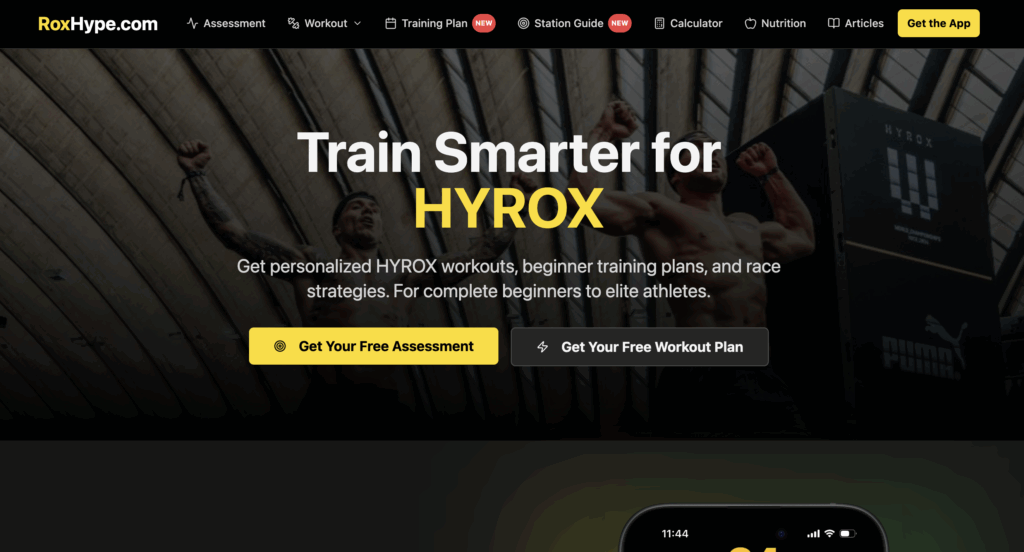 Recovered in 6 weeks
Recovered visibility after an algorithm hit.
We tackled indexability, content quality and engagement issues after a core update caused a major traffic drop.
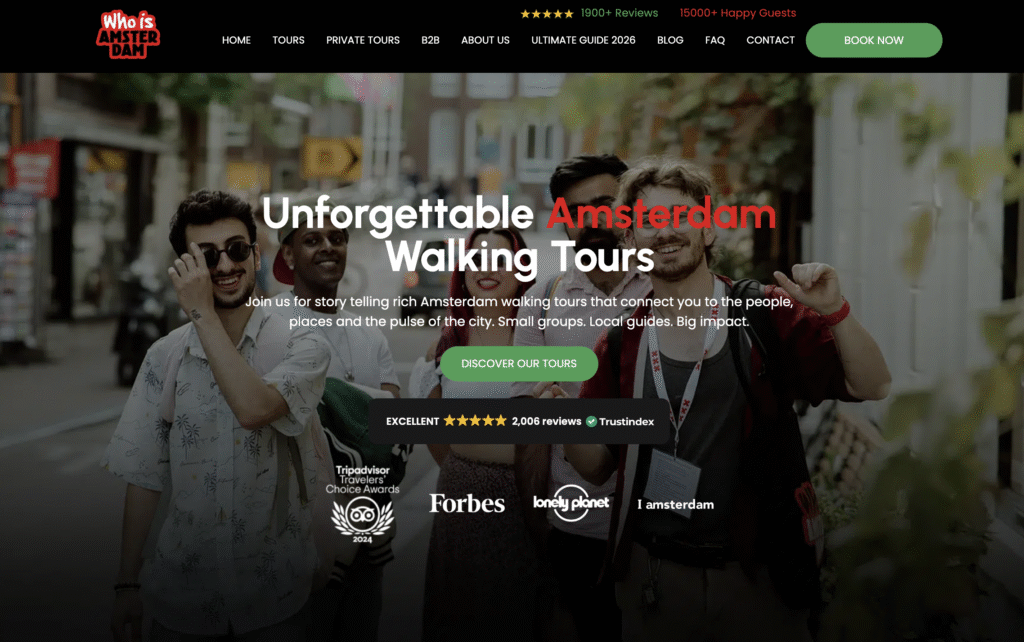 +111% clicks
Rebuilt technical foundations and doubled clicks.
Technical recovery, stronger trust signals and guide-led content helped rebuild search visibility after an algorithm update.
Meet the team.

For over a decade I have helped businesses grow their organic reach and build sustainable revenue through SEO.
By founding Eclypseo, I can now apply a decade of learning and experience for brands such as GITEX, Tommee Tippee and more – and help apply these strategies to SMBs and businesses building their SEO from the ground up.
The CRO tools we use to find friction
We use behaviour data, analytics, tracking, page speed tools and testing platforms to understand why users are not converting, then prioritise the fixes most likely to improve revenue.
Tools show us what users are doing, but the value is in knowing why it is happening, what to fix first, and how each change connects back to leads, sales and revenue.
Our CRO process, built for revenue growth
We do not make random design changes and hope for the best. We use data, behaviour analysis and commercial thinking to find where users are dropping off, then improve the parts of the journey that matter most.
Tracking & conversion audit
We start by checking whether your website is actually measuring the right actions. That includes forms, calls, WhatsApp clicks, bookings, purchases, key events, funnels and revenue tracking inside tools like GA4, Google Tag Manager and Microsoft Clarity.
User behaviour analysis
We review how users move through your website using heatmaps, scroll maps, session recordings and analytics data. This helps us see where people hesitate, what they ignore, where they click, and which parts of the page create friction.
Prioritised CRO roadmap
We turn the findings into a clear action plan, prioritised by likely impact, confidence and ease of implementation. This can include CTA changes, form improvements, stronger trust signals, clearer messaging, layout changes, mobile UX fixes and better page structure.
Implementation & improvement
We either implement the changes directly or work with your developer to get them live properly. Once changes are in place, we monitor performance, review user behaviour again, and keep improving the journey based on what the data shows.
Who we help.
We work with businesses where SEO needs to do more than generate traffic. Whether you are scaling a service brand, ecommerce store, SaaS company or CMS-led website, we build search strategies around visibility, enquiries and revenue.
Industries we serve
Built around how your buyers search.
Different industries need different SEO systems. We shape strategy around demand, competition, trust and conversion.
CMS platforms we work on
SEO built around your platform.
Every CMS has different technical limits. We build around the stack you already use instead of forcing one-size-fits-all SEO.
What makes our CRO service better than the rest?
A custom framework for finding revenue leaks
We do not approach CRO with a generic checklist or a list of random design ideas. A lead generation website, eCommerce store, SaaS platform, booking website, local service business and high-ticket consultancy all convert in different ways.
For a Dubai service business, CRO might mean improving WhatsApp visibility, call tracking, proof above the fold, shorter enquiry forms and stronger trust signals. For an eCommerce store, it might mean better product filtering, delivery reassurance, clearer returns messaging, stronger category content and a smoother checkout journey.
The outcome is a focused conversion roadmap that shows where users are dropping off, why it is happening, and which fixes are most likely to improve leads, bookings, purchases and revenue.
We use real behaviour data, not opinions
CRO should not be based on someone saying “make the button bigger.” We use tools like GA4, Google Tag Manager, Microsoft Clarity, Hotjar, Looker Studio and page speed data to understand what users are actually doing.
That means looking at heatmaps, scroll depth, session recordings, form starts, form completions, call clicks, WhatsApp clicks, booking clicks, checkout behaviour, mobile usability and page-level conversion paths.
For example, we might find that users are clicking a CTA but abandoning a long form, scrolling past key proof points, missing the WhatsApp option on mobile, leaving after pricing, or reaching a product page without enough trust to buy. Those insights give us fixes that are based on evidence, not guesswork.
Built for Dubai buyers and commercial journeys
Dubai customers move quickly, compare heavily and expect credibility almost instantly. Your website needs to prove who you are, what you offer, why you are trustworthy, and what the user should do next without making them work for it.
We improve the full journey, not just isolated page elements. That can include clearer above-the-fold messaging, better CTAs, stronger reviews, case studies, client logos, FAQs, location signals, pricing clarity, faster mobile journeys, cleaner forms and better objection handling.
This matters because conversion rate optimisation is not about making a page look prettier. It is about making decisions easier. When users understand the value, trust the business and know the next step, your existing SEO, PPC, social, email and direct traffic can produce more revenue.
Read more on SEO here.
FAQs on CRO.
What does conversion rate optimisation actually involve?
Conversion rate optimisation focuses on improving how visitors interact with your website so more of them take meaningful actions. This includes analysing user behaviour, identifying friction points, and testing changes to page layout, messaging, forms, and calls to action to increase conversions.
How does improving user experience increase conversions?
When a website is easier to understand and navigate, users are more likely to trust it and take action. Clear messaging, logical page flow, faster load times, and reduced distractions all help visitors move confidently from interest to enquiry or purchase.
How quickly can CRO changes deliver results?
Some improvements can show results quickly, especially when fixing obvious usability issues. More advanced optimisation, such as A/B testing and behavioural analysis, typically delivers stronger and more reliable gains over weeks or months as data accumulates.
How do you measure success in conversion optimisation?
Success is measured by tracking meaningful actions such as form submissions, sales, qualified leads, and revenue impact. Supporting metrics like bounce rate, scroll depth, and user paths help explain why changes work, but the primary focus is on measurable business outcomes.
What tools are used for CRO?
Conversion optimisation uses a mix of analytics, behaviour tracking, and testing tools to understand how users interact with a website. This typically includes analytics platforms to track conversions, heatmapping and session recording tools to identify friction, and testing software to validate changes.
Does CRO only matter for eCommerce websites?
No. CRO matters for any website that needs users to take action. That includes lead generation websites, service businesses, booking platforms, SaaS websites, real estate websites, healthcare providers, hospitality brands and eCommerce stores.
Should CRO come before or after SEO and paid ads?
CRO should usually work alongside SEO and paid ads. SEO and advertising bring users to the website, but CRO improves what happens after they arrive. If your pages, forms, CTAs or checkout journey are weak, more traffic may simply mean more wasted opportunity.
What are common signs my website needs CRO?
Common signs include strong traffic but low enquiries, high drop-off on key pages, abandoned forms, poor mobile conversion rates, weak checkout performance, low CTA clicks, unclear user journeys, or users leaving before reaching your most important conversion points.