
Finding somewhere to eat in Dubai used to start with a fairly simple Google search.
A diner might type “Italian restaurant Dubai Marina,” scan the first few results, look at a menu and make a reservation.
That journey is now much less predictable.
Someone planning dinner in 2026 might ask an AI assistant for a quiet restaurant near DIFC, compare ratings on Google Maps, watch a TikTok review, check photos uploaded by customers and book through a third-party platform without visiting the restaurant’s website.
This does not mean Google or traditional SEO has stopped mattering.
It means restaurant discovery now happens across more surfaces, with more information being considered before the diner decides where to go.
SEO for restaurants in one of the world’s most competitive dining markets, that shift matters. Dubai welcomed a record 19.59 million international overnight visitors in 2025. The city also issued around 1,200 new restaurant licences during 2024, while the 2025 Michelin Guide covered 119 restaurants across 35 cuisines. More demand has brought more competition for attention.
This guide explains the most important Google algorithm updates in 2026, how AI search is changing restaurant discovery and what hospitality brands should prioritise next.
What Google Actually Updated in 2026
Google completed several confirmed ranking updates during the first half of 2026:
- A March 2026 spam update
- A March 2026 core update
- A May 2026 core update
- A June 2026 spam update
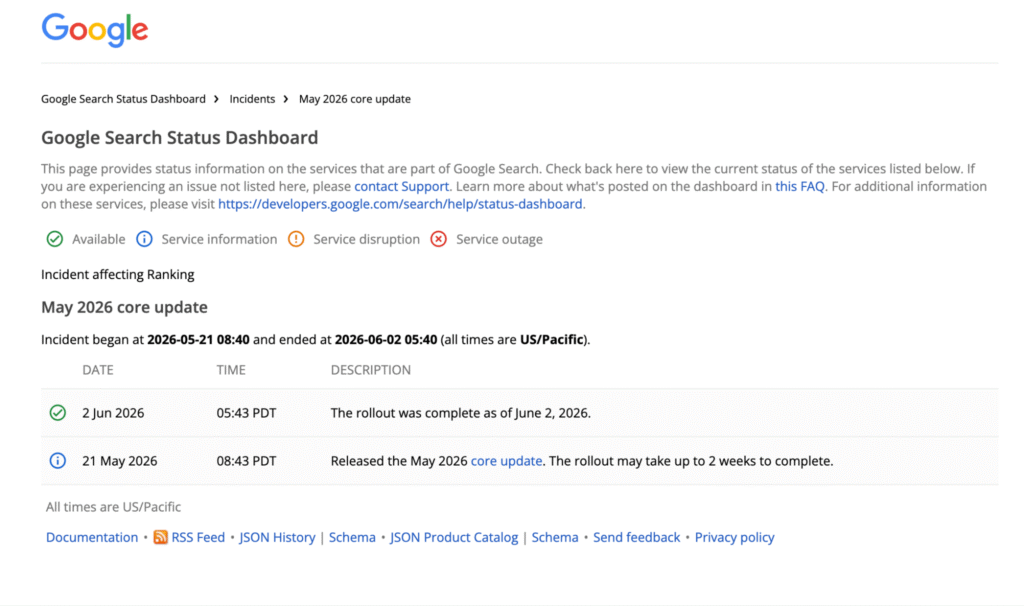
Google also rolled out a Discover update in February. The official Search Status Dashboard shows that the March and May core updates each took nearly two weeks to complete, while the June spam update ran for just over two days.
None of these was announced as an update specifically targeting restaurants.
That distinction is important.
When restaurant traffic changes during an update, it is tempting to blame one new ranking factor or search for a quick fix. But core updates make broad adjustments to how Google evaluates and presents results. A decline does not automatically mean that a restaurant has received a penalty.
The better questions are:
- Which pages and queries lost visibility?
- Did Google Maps visibility change as well as website traffic?
- Are the restaurant’s menus, location details and opening hours accurate?
- Does the website provide a more useful answer than competing restaurant pages?
- Can Google crawl, understand and trust the information?
Google continues to say that its systems prioritise helpful, reliable, people-first content. Its guidance warns against mass-produced pages, content created mainly to attract search traffic and articles that simply repeat information found elsewhere.
For SEO for restaurants in Dubai, the response to an update should therefore be based on evidence, not panic.
SEO Is Still the Foundation of Restaurant Discovery
AI answers have not removed the need for conventional SEO.

Google’s guidance for AI Overviews and AI Mode states that the same fundamental SEO practices still apply. A page must be indexed and eligible to appear in normal Google Search before it can be considered as a supporting link in these AI experiences. Google does not require a special AI schema or separate optimisation file.
That means restaurants still need:
- Crawlable and indexable pages
- Fast mobile performance
- Clear location and cuisine information
- Useful menu content
- Accurate metadata
- Logical internal linking
- A complete Google Business Profile
- Strong reputation and third-party mentions
Good restaurant SEO in Dubai makes a venue easier for search engines and diners to understand.
GEO then extends that work by making the restaurant easier to interpret and reference across AI-powered discovery experiences.
The two should work together.
AI Search Is Changing the Questions Diners Ask
Traditional restaurant searches are usually brief:
- “Steakhouse Dubai”
- “Sushi Downtown Dubai”
- “Brunch near me”
AI-assisted searches can be much more detailed:
- “Where can I take a client for a quiet business lunch near DIFC?”
- “Which family-friendly restaurants near Dubai Mall have outdoor seating?”
- “Find an authentic Emirati restaurant suitable for a group of ten.”
- “What is a romantic restaurant in Dubai Marina that has vegetarian options?”
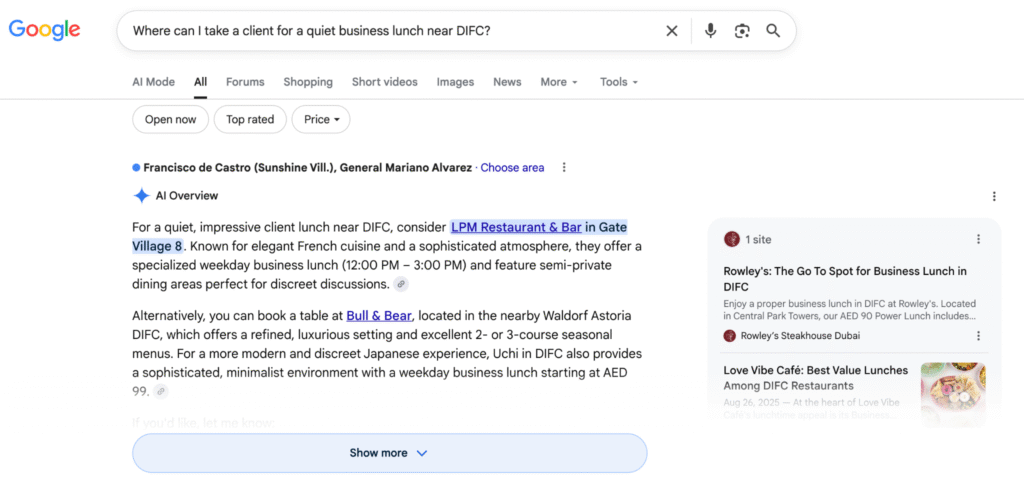
These questions combine several conditions: cuisine, location, atmosphere, occasion, dietary preference, party size and sometimes price.
A homepage that says “experience unforgettable dining” does not answer them.
Effective AI search optimisation for restaurants starts by clearly describing what makes a venue relevant to particular dining decisions.
A restaurant should make it easy to confirm:
- What type of food it serves
- Which area and landmarks it is near
- Whether it offers indoor or outdoor seating
- Which dietary requirements it accommodates
- Whether it suits families, groups or business meals
- Its typical price range
- When it is open
- How someone can reserve a table
These details help people make decisions. They also give search and AI systems clearer information to work with.
What AI Overviews Mean for Restaurants
Google’s AI Overviews and AI Mode can generate responses to complex questions and include links that support the answer.
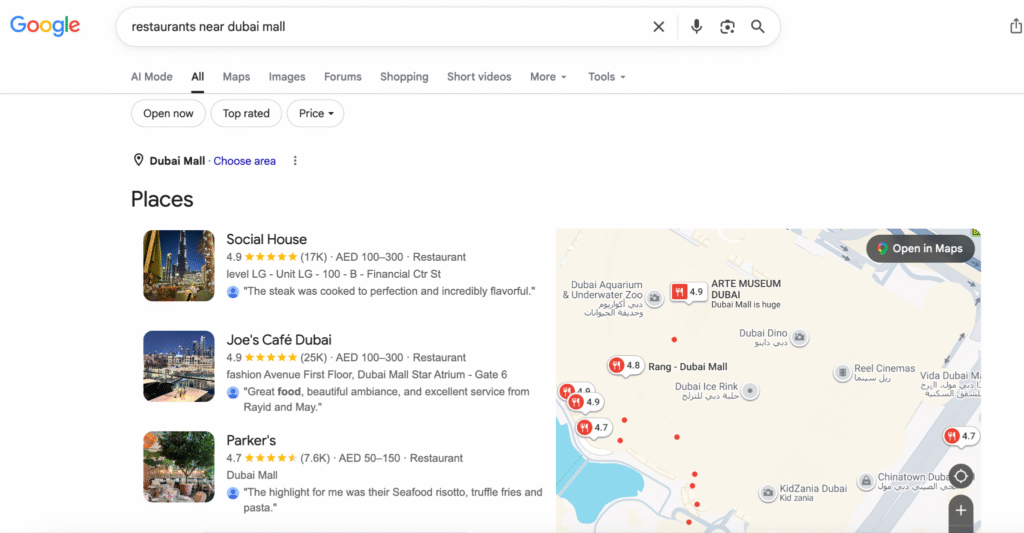
For a restaurant, that creates visibility beyond a conventional blue-link ranking.
A venue might be surfaced as part of an answer about:
- Restaurants near a specific attraction
- Dining options for a particular occasion
- Cuisine recommendations in a neighbourhood
- Restaurants offering certain dietary choices
- Places with particular views, facilities or opening hours
But appearing in AI Overviews for restaurants is not achieved by adding an “AI-ready” paragraph to every page.
Google says the page must first meet the normal technical requirements for Search. It also recommends making important content available in text, ensuring structured data matches the visible page and keeping Business Profile information current.
In practical terms, that means a restaurant should not hide all useful information inside images, videos or a downloadable menu.
Search engines need something clear to read.
Your Google Business Profile Is Now a Complete Dining Surface
For many diners, the restaurant website is no longer the first page they see.
The Google Business Profile for restaurants can show the address, hours, phone number, photos, reviews, menu items, reservation options and ordering links directly in Search and Maps.
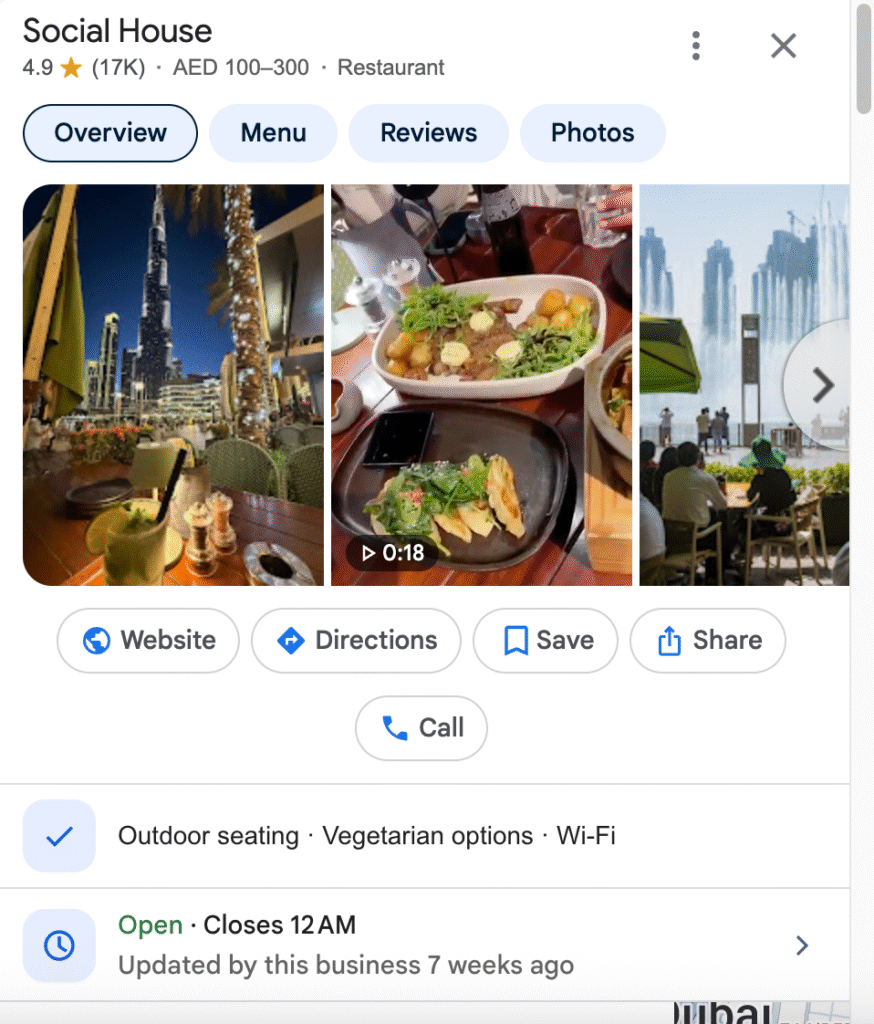
Google’s own local ranking guidance explains that results are influenced by relevance, distance and how well-known a business is. Complete information helps Google match a restaurant to relevant searches, while links, articles, reviews and ratings contribute to its wider prominence.
This makes Business Profile optimisation a central part of local SEO for restaurants, not a small administrative task.
Restaurants should regularly review:
- Primary and secondary categories
- Address and map pin
- Regular and special opening hours
- Phone number and website
- Reservation and ordering links
- Restaurant description
- Amenities and attributes
- Menu information
- Food, interior and exterior photos
- Customer questions and reviews
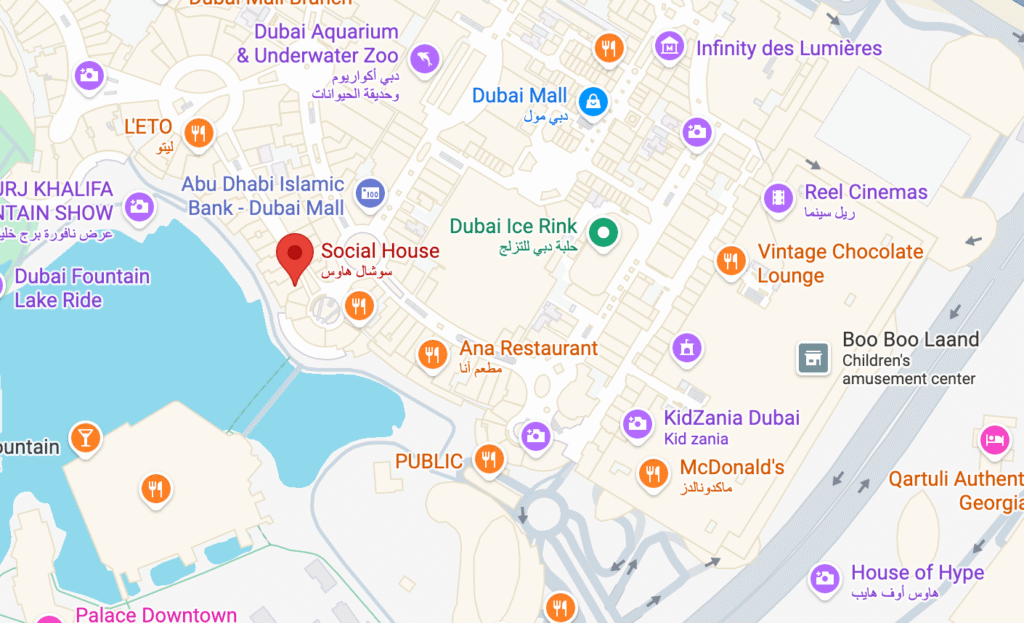
Google can combine information submitted by the restaurant with customer photos and data gathered from other sources. If those sources disagree, the diner may see information the restaurant did not directly provide.
Accuracy across every platform is therefore increasingly important.
Your Menu Needs to Be More Than a PDF
Menus are one of the most valuable sources of restaurant information.
They are also frequently difficult for search engines and customers to use.
A menu available only as a large PDF, image gallery or interactive animation may look attractive, but it can make individual dishes, ingredients and prices harder to find.
The strongest setup combines:
- A usable customer-facing menu
- Crawlable HTML content on the website
- Updated menu details inside Google Business Profile
- Consistent information on reservation and delivery platforms
Google allows food and drink businesses to organise menu items into sections and add names, descriptions and prices. Updates can take 24–48 hours to appear in Search and Maps.

This does not mean every dish needs its own SEO page.
It means that important menu information should be clear, current and accessible.
A restaurant known for seafood should explicitly describe its seafood offering. A venue with vegan or gluten-free options should not expect Google to infer them from food photography alone.
Reviews Now Support More Than Reputation
Reviews have always influenced dining decisions.
In 2026, they also contribute to how clearly a restaurant is understood across local search.
Google confirms that review count and positive ratings can help local visibility. Business Profiles may also display review information gathered from third-party local review websites.
The most useful reviews are detailed and genuine.
A review that mentions a birthday dinner, attentive service, outdoor seating and a particular dish gives future diners more context than a simple five-star rating.
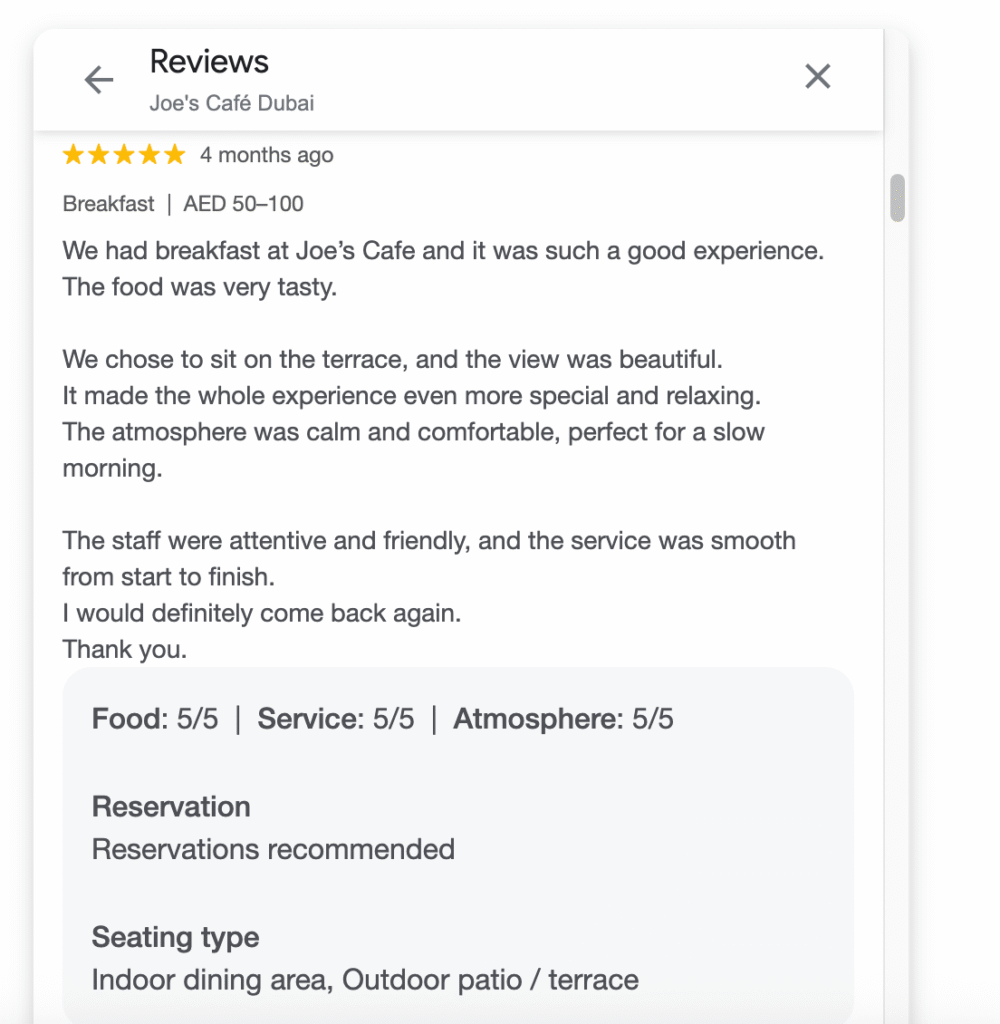
Restaurants can ask customers for honest reviews through a direct link or QR code. However, Google prohibits offering free or discounted products in exchange for positive reviews, edited reviews or the removal of negative feedback.
The right approach is straightforward:
Ask consistently, make the process easy and respond professionally.
Do not buy, gate or manipulate feedback.
What Restaurant GEO Actually Involves
Restaurant GEO is sometimes presented as a completely new replacement for SEO.
It is better understood as an additional layer.
Generative engine optimisation for restaurants focuses on making the venue easy for AI systems to identify, understand and confidently describe.
That requires consistency beyond the restaurant website.
A strong restaurant entity may be supported by:
- A verified and complete Google Business Profile
- Consistent name, address and phone information
- Clear cuisine and location descriptions
- Coverage in credible food and travel publications
- Inclusion in recognised local guides
- Genuine customer reviews
- Awards and industry recognition
- Accurate profiles on booking platforms
- Original chef, sourcing and menu information
- Content that demonstrates first-hand knowledge
The aim is not to mention the restaurant’s name hundreds of times.
It is to build a consistent digital footprint that answers four basic questions:
Who are you, where are you, what are you known for and why should someone trust the information?
Eclypseo’s guide to getting featured on AI search engines explains how technical accessibility, clear brand information and third-party validation work together across AI-led discovery.
Restaurant Schema Helps Clarify the Facts
Restaurant schema markup gives search engines structured information about a venue.
Google supports the specific Restaurant type within its LocalBusiness structured-data guidance. Relevant properties can include:
- Restaurant name
- Address
- Telephone number
- Images
- Price range
- Cuisine
- Opening hours
- Geographic information
Structured data does not guarantee a special search feature or an AI recommendation. It also cannot repair inaccurate content.
Its role is to reduce ambiguity.
The markup should match what customers can see on the page. If the schema says the venue closes at midnight but the visible page says 11pm, the website is sending conflicting signals. Google recommends using the most specific appropriate business type and keeping structured information accurate.
A technical SEO review should check restaurant schema alongside indexation, mobile performance, canonical tags, internal links and JavaScript rendering.
Location Pages Need Genuine Local Value
Dubai restaurants often want to rank for several valuable areas:
- Downtown Dubai
- Dubai Marina
- JBR
- Jumeirah
- DIFC
- Business Bay
- Palm Jumeirah

Creating a separate near-identical page for every location is not a safe shortcut.
Google’s people-first content guidance specifically warns against mass production and pages created mainly to capture search visits.
A location page should exist only when the restaurant can provide useful, specific information.
For example, a page about business dining in DIFC might cover:
- Walking distance from nearby offices
- Private dining availability
- Lunch service times
- Group reservation options
- Parking or valet information
- Menu formats suitable for meetings
- Noise level and seating arrangements
That is useful to a diner.
Replacing “DIFC” with “Dubai Marina” across dozens of identical pages is not.
Strong content marketing builds pages around actual dining intent rather than publishing location keywords at scale.
Visibility Is Only Valuable When It Creates Reservations
SEO performance should not end with rankings or impressions.
For restaurants, the commercially useful actions are clearer:
- Reservation clicks
- Phone calls
- Direction requests
- Menu views
- Online orders
- Event enquiries
- Private dining leads
- Confirmed covers and revenue
Google Business Profile can support reservation providers and custom booking links. Restaurants can also manage ordering options and select preferred pickup or delivery providers where those features are available.
The website should make the same journey simple.
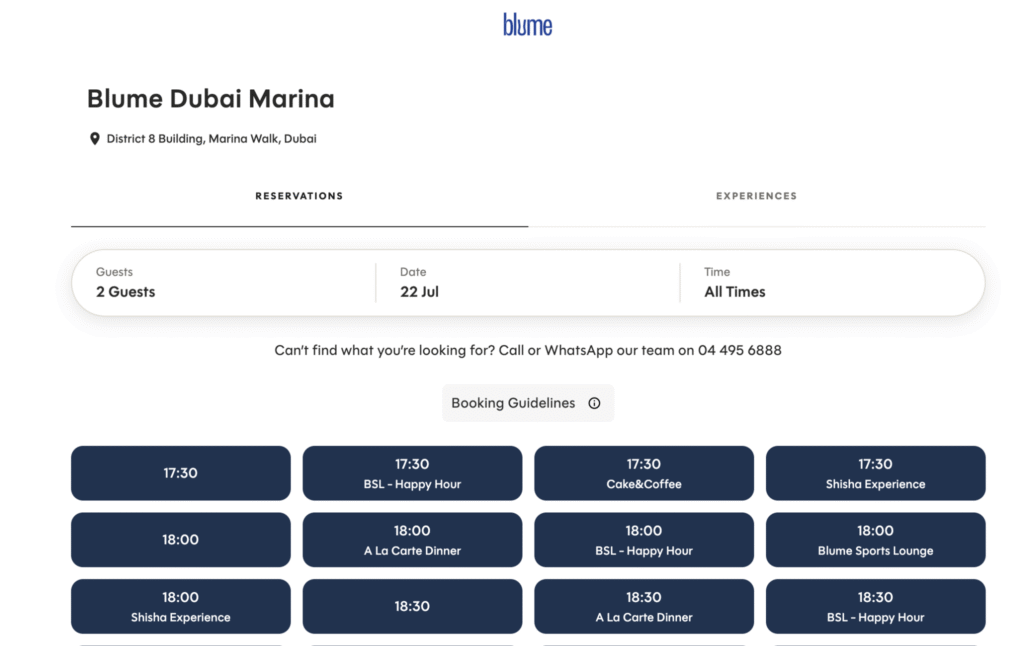
A diner who has already chosen a restaurant should not have to search through several pages to find the reservation button.
This is where conversion rate optimisation supports restaurant SEO. Clear calls to action, mobile-friendly booking flows and accurate event tracking turn visibility into measurable demand.
What Dubai Restaurants Should Prioritise Now
Restaurants do not need to rebuild their entire marketing strategy every time Google launches an update.
They need strong foundations that remain useful as search changes.
Start with these priorities:
- Audit the traffic change properly. Review Search Console, GA4 and Business Profile performance before assuming an algorithm penalty.
- Complete the Business Profile. Keep hours, categories, menus, photos, reservations and ordering links accurate.
- Make menu information crawlable. Do not rely only on images or downloadable PDFs.
- Strengthen high-intent pages. Clearly explain cuisine, location, occasion, atmosphere, dietary options and reservation details.
- Fix technical barriers. Check indexation, mobile performance, internal links, rendering and structured data.
- Build genuine reputation signals. Encourage honest reviews and earn relevant coverage from credible publications and local guides.
- Measure reservations, not rankings alone. Connect organic and local visibility with booking behaviour and revenue.
Search Has Changed. The Dining Decision Has Not.
Diners still want the same basic things.
They want to know whether a restaurant suits the occasion, serves the food they enjoy, fits their budget and is worth trusting.
What has changed is where they collect that information.
Google Search, Maps, AI answers, reviews, menus, social media and booking platforms now shape the decision together.
The restaurants that perform best will not be those chasing every new GEO trick. They will be the venues that present accurate, useful and convincing information wherever diners research them.
Eclypseo helps hospitality brands improve organic visibility, AI discovery and direct reservations through SEO for hospitality brands in Dubai.
When your restaurant is difficult to find, inconsistently described or too dependent on third-party platforms, contact Eclypseo to identify what is limiting its visibility and booking performance.